

HOW TO HANDLE WASTE IN YOUR HOME
04.07.2024
Mites can be an annoying and unhygienic nuisance in our waste, and many of us have probably experienced the trash can suddenly filling up with these little creatures. But why do mites appear in our waste, how can we avoid them, and what can we do to get rid of them if they are already there?
WHY ARE THERE BUGS IN THE GAME?
Mider, also known as midge larvae, are the larvae of flies that are laid somewhere warm, protected and where there is food; a trash can is therefore ideal. Often, the midge larvae lay their eggs already in the waste in the kitchen, which ends up in your outdoor waste bin. Here, the eggs hatch into midges, which later develop into flies.
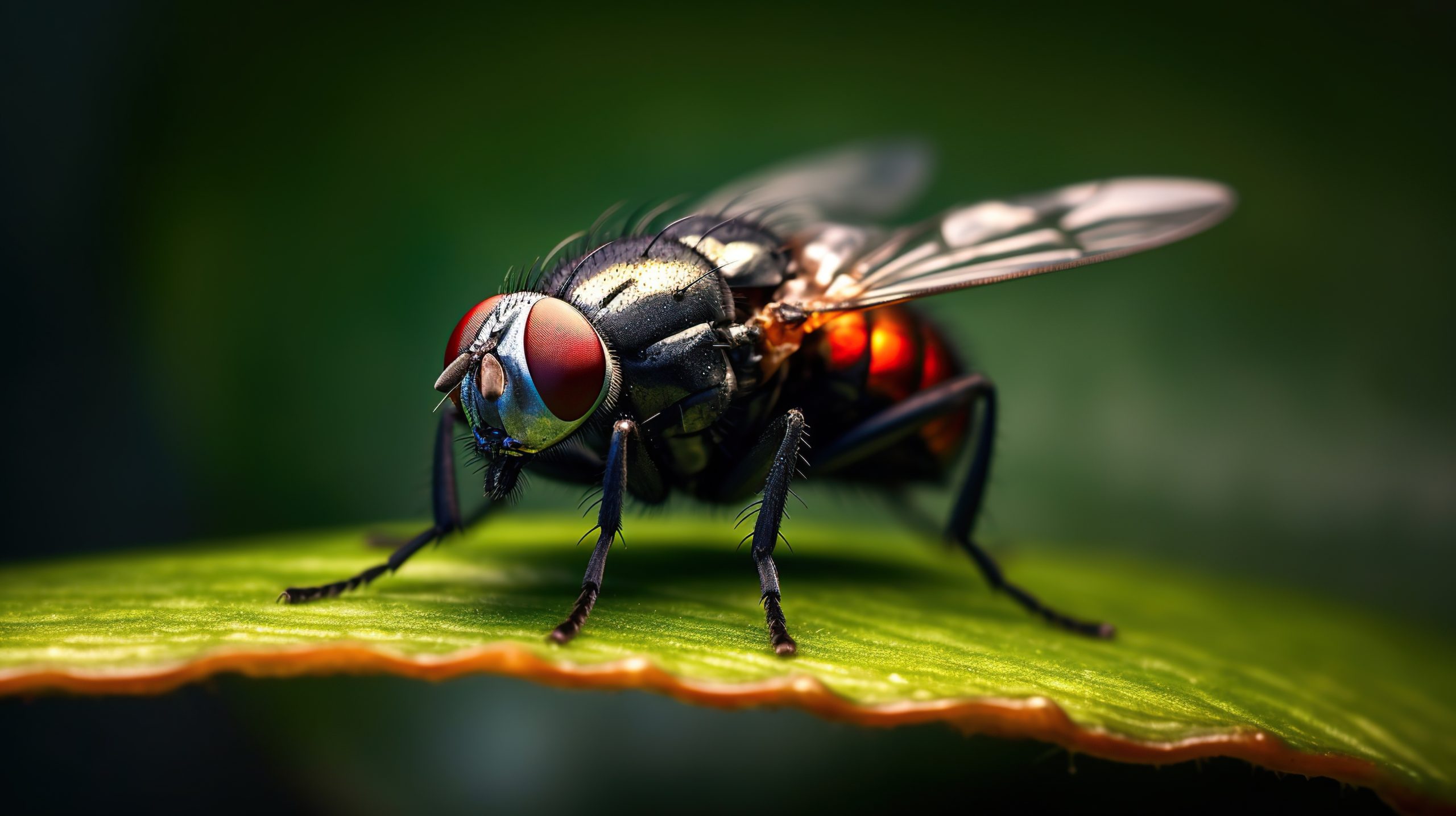
Spiders are attracted to moisture, odor, and organic material, making the trash can a perfect environment for them. Here are some reasons why they appear:
- Moist conditions: Fleas and mites thrive in humid environments. If your waste is wet, it creates ideal conditions for them.
- Organic material: Food scraps; meat, fish, vegetables and fruit attract fly larvae and thus flies, as they feed on organic material.
- WarmHigh temperatures can accelerate the development of mites. Therefore, the problem may worsen in the summer.
HOW TO AVOID MISREPRESENTATION IN THE CONTRACT
Prevention is the key to avoiding a mold problem in your trash can. Here are some effective tips that start in your kitchen:
- Dispose of your food waste: Drain any excess liquids from your food waste before throwing it into the residual waste.
- Empty your trash regularly: Especially if it contains meat and fish. Make sure to empty your trash often to avoid the bag becoming overloaded and possibly breaking.
- Close the bag well: Tie a solid knot on the bag to prevent waste and liquids from escaping.
- Use a trash can in the kitchen with a tightly closing lid: A trash can in the kitchen with a tightly closed lid can prevent fly larvae from entering and laying eggs, which later develop into mites.
- Clean regularly: Clean your trash can both inside and out with soap and water to remove food residues and odors that attract flies and mites.
- Place your trash can in a shady place: Make sure that your trash can outside is not placed in direct sunlight, but in a shady place instead.
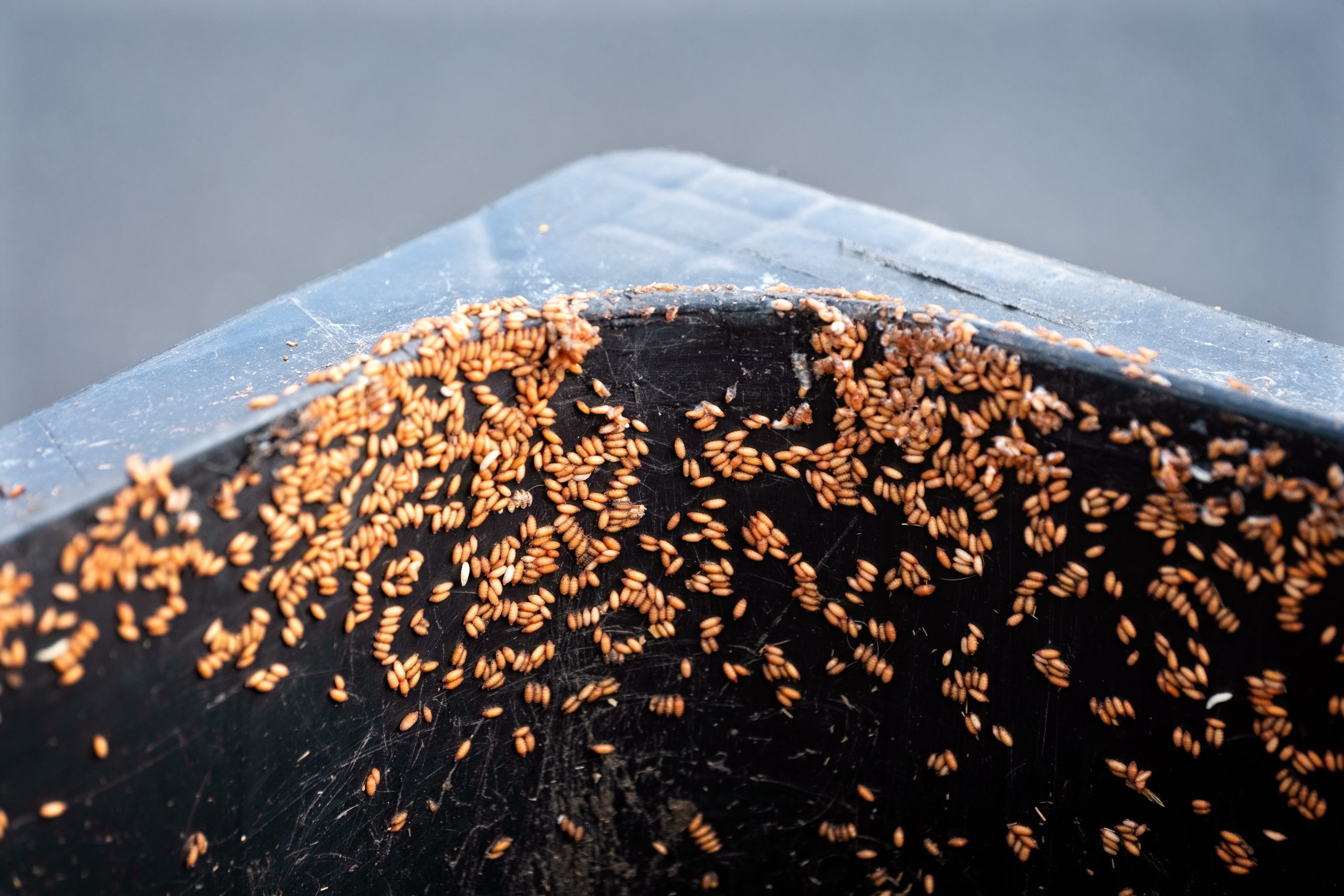
HOW TO GET RID OF THE MID-BACK IN THE PROCESS
If mites have already invaded your trash can, you can follow these steps to get rid of them:
- Empty the waste container: Start by emptying the waste container completely. Dispose of the waste in a way that does not spread the mites further.
- Clean thoroughly: Wash the waste container thoroughly with warm water and soap. Use a brush to clean all corners and crevices.
- Disinfect: After cleaning, you can disinfect the waste container with a mixture of water and vinegar or a mild disinfectant.
- Be boldMake sure the waste container is completely dry before you put new waste in it. Mites do not thrive in dry environments.
Managing mites in the waste requires a combination of prevention and effective cleaning techniques. By following the advice mentioned above, you can minimize the risk of mite infestation in your waste bin and thus maintain a hygienic and comfortable environment both in your kitchen and outdoors. Remember that regular cleaning and proper waste management are key to keeping mites away and ensuring that your home remains clean and healthy.
PROFESSIONAL WASHING OF WASTE PANELS AND WASTE CONTAINERS
For businesses, we offer professional washing of waste bins and waste containers, as well as fully and partially buried waste receptacles. Our service ensures that your waste systems remain clean and hygienic, which not only contributes to a comfortable working environment but also reduces the risk of vermin and odors. With our specialized washing service, you can be confident that your waste receptacles are treated effectively and environmentally friendly, ensuring they meet the highest standards of hygiene and functionality. We also offer odor-reducing scent plates for your waste containers and fully and partially buried waste receptacles, designed to minimize odor issues.